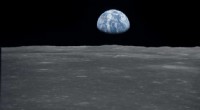
1. The Sun, Moon, or Planets: These celestial bodies are often referred to as "balls" in the sky due to their round appearance. The Sun and Moon are the most prominent examples, with the Moon being particularly noticeable at night.
2. A Meteor or Shooting Star: These are bright streaks of light caused by small particles of space debris burning up in Earth's atmosphere. They can appear as a "ball" of light quickly moving across the sky.
3. A Satellite: Artificial satellites orbiting Earth can also be seen as bright "balls" moving across the night sky. They often move in a predictable pattern, unlike meteors.
4. A UFO: This term is used to describe unidentified flying objects, which could be anything from aircraft to natural phenomena. However, there is no scientific evidence to support the existence of extraterrestrial spacecraft.
To understand the significance of any "ball" in the sky, you need more context.
* What time of day was it? This helps determine if it could be the Sun, Moon, or a planet.
* How bright was it? This helps differentiate between a bright planet, a satellite, or a meteor.
* Was it moving quickly or slowly? This helps determine if it was a meteor, satellite, or something else.
* Did it change color or shape? This could indicate a meteor or a unique type of satellite.
If you are interested in learning more about celestial events, it is best to consult reliable sources like astronomy books, websites, or apps.