1. The Earth's Tilt and Orbit:
* Earth's Tilt: The Earth is tilted on its axis, causing different parts of the planet to receive varying amounts of sunlight throughout the year. This tilt is the primary reason we have seasons.
* Earth's Orbit: As Earth orbits the sun, different parts of the sky are visible from our planet at different times of the year.
2. Seasonal Constellations:
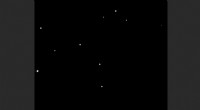
* Constellations Shift: Due to Earth's orbit, the constellations we see in the night sky change throughout the year. Constellations associated with a specific season will be visible during that time.
* Northern and Southern Hemispheres: The constellations visible in the northern hemisphere differ from those seen in the southern hemisphere.
3. Example:
* Summer in the Northern Hemisphere: The constellations of Ursa Major (Big Dipper) and Cassiopeia are high in the sky. These constellations are visible during the spring and summer months.
* Winter in the Northern Hemisphere: Constellations like Orion and Taurus are prominent. These constellations are most visible during the fall and winter months.
Key Points:
* Not a Precise Calendar: Using constellations to tell the season is not an exact science. Constellations change gradually over time.
* Location Matters: The constellations you see will depend on your location on Earth (latitude).
* Use Star Charts: Star charts or astronomy apps can help you identify constellations and their visibility throughout the year.
In summary, you can use constellations to tell the season by observing which constellations are prominent in the night sky. However, it's more about identifying the general period of the year rather than a specific date.