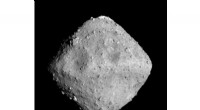
The Moon:
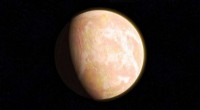
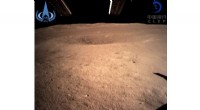
* A natural satellite of Earth.
* Formed by a giant impact between Earth and a Mars-sized object.
* Primarily composed of rock and dust.
* Orbits Earth and reflects light from the Sun.
The Milky Way:
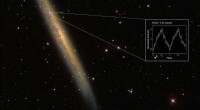
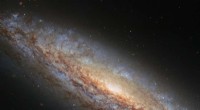
* A spiral galaxy that contains our solar system.
* Consists of billions of stars, gas, dust, and dark matter.
* A vast collection of matter held together by gravity.
* Emits light from the stars within it.
Relationship:
* Observational: We can see both the Moon and the Milky Way from Earth. The Milky Way appears as a faint band of light across the night sky, while the Moon is a bright, luminous orb.
* Perspective: The Moon is relatively close to Earth, while the Milky Way is incredibly distant. This vast difference in scale means that the two objects are not directly interacting.
* Shared Origin: Both the Moon and the Milky Way are part of the universe and have existed for billions of years.
In summary: The Moon and the Milky Way are two distinct celestial bodies with no direct relationship beyond their shared existence in the cosmos. They are observed from Earth and have their own unique characteristics and origins.