* Our location: We are located within the Milky Way's disk, about two-thirds of the way out from the galactic center. This means we are surrounded by dust and gas, which obscures our view of the galaxy's central bulge and the far side of the disk.
* Dust and gas: The Milky Way's disk is filled with interstellar dust and gas. This material absorbs and scatters light, making it difficult to see through.
* The Milky Way's shape: The Milky Way is a spiral galaxy, with a central bulge and arms that spiral out. Our solar system is located in one of these arms, so we are looking out along the plane of the galaxy. This means we see the galaxy's arms edge-on, which appear as a band of light across the sky.
* Light pollution: Artificial light from cities and towns can make it difficult to see faint objects in the night sky, including the Milky Way.
To see more of the Milky Way, we need to:
* Look from dark locations: Areas with little light pollution offer better views of the Milky Way.
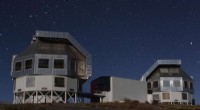
* Use specialized telescopes: Telescopes, especially those designed for infrared astronomy, can see through the dust and gas that obscures our view.
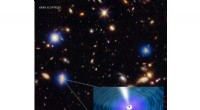
* Go into space: Observations from space, like those from the Hubble Space Telescope, are not affected by Earth's atmosphere or light pollution, allowing us to see much more of the galaxy.
Overall, our view of the Milky Way is limited by our position within the galaxy, the presence of interstellar dust and gas, and light pollution. But by taking advantage of dark locations, using telescopes, and observing from space, we can gain a more complete understanding of this vast and beautiful galaxy.