1. Star Types and Color:
* Blue Stars: These are young, hot, and massive stars. They burn through their fuel quickly and emit a lot of blue light.
* Yellow Stars: These are middle-aged stars like our Sun, and they emit a lot of yellow light.
* Red Stars: These are old, cool, and less massive stars. They burn their fuel slowly and emit mostly red light.
2. Age and Color:
* Young Galaxies: These galaxies are dominated by hot, blue stars, giving them a bluish color. They are actively forming new stars and are often irregular in shape.
* Older Galaxies: As galaxies age, their blue stars die off, leaving behind cooler, redder stars. This gives them a more reddish or yellowish color. They tend to be more elliptical in shape.
* Redshift: Due to the expansion of the universe, light from distant galaxies is stretched, causing it to appear redder than it actually is. This effect is called redshift.
3. Other Factors:
* Dust and Gas: Galaxies contain dust and gas clouds that can absorb and scatter light, affecting their overall color.
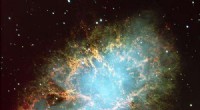
* Supernovae: Exploding stars (supernovae) can temporarily brighten galaxies and change their color.
In Summary:
The color of a galaxy is a reflection of its star population, age, and the presence of dust and gas. Blue galaxies are typically younger and actively forming stars, while red galaxies are older and have less star formation. Redshift also plays a role in how we perceive galaxy colors.