* Distance: Planets vary greatly in their distance from Earth. The closer a planet is to us, the brighter it appears. Planets like Venus and Mars can be very bright, while more distant planets like Uranus and Neptune are much fainter.
* Reflectivity (Albedo): Planets reflect sunlight, and their ability to do so varies. Planets with icy surfaces or thick atmospheres can reflect a lot of light, making them appear brighter. Planets with darker surfaces or thinner atmospheres will be dimmer.
* Position in the sky: A planet's brightness can also depend on its position in the sky. When a planet is in opposition (directly opposite the Sun in the sky), it appears at its brightest.
Examples:
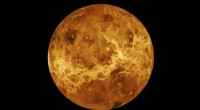
* Venus: Often the brightest object in the night sky, it appears as a very bright "star" (though it's a planet).
* Mars: Can be quite bright, especially when it's close to Earth.
* Jupiter: A very bright planet, but not as bright as Venus.
* Saturn: Less bright than Jupiter, but still easily visible.
* Uranus: Much fainter than Saturn and requires clear skies to be seen.
* Neptune: The faintest of the planets visible to the naked eye. Most people need binoculars or a telescope to see it.
It's important to remember that:
* Stars are much farther away than planets and emit their own light, making them generally appear much brighter than planets.
* Some planets, like Uranus and Neptune, are very difficult to see without binoculars or a telescope due to their faintness and distance.