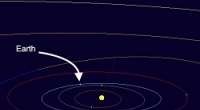
1. Earth's Rotation: The Earth rotates on its axis, completing one rotation every 24 hours. This rotation causes the moon (and everything else in the sky) to appear to move across the sky from east to west.
2. Moon's Orbit: The moon orbits the Earth, taking approximately 27.3 days to complete one orbit. This means the moon's position relative to the sun changes constantly.
3. Moon's Phases: The different phases of the moon (New Moon, Waxing Crescent, First Quarter, Waxing Gibbous, Full Moon, Waning Gibbous, Last Quarter, Waning Crescent) are caused by the changing angle at which we see the sunlit portion of the moon as it orbits the Earth.
Why the Moon Appears During the Day:
The moon can be visible during the day because it's still reflecting sunlight even when it's not fully illuminated. The moon's visibility during the day depends on its phase and position in its orbit relative to the sun:
* New Moon: The moon is not visible during the day because it's between the Earth and the sun, and its unlit side is facing us.
* Other Phases: During other phases, the moon is visible during the day, especially when it's close to a full moon. The brighter the moon's illuminated portion, the easier it is to see during the day.
In Summary:
The moon's apparent position in the sky is a result of the Earth's rotation and the moon's orbit around the Earth. It can appear during the day because it still reflects sunlight even when it's not fully illuminated.