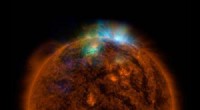
* Spectral Type: The Sun is classified as a G2V star. The "G" refers to its spectral type, indicating the temperature and composition of its surface. G-type stars are generally yellow-white in color and have surface temperatures around 5,000-6,000 Kelvin.
* Main Sequence: The "V" in the classification denotes that the Sun is a main-sequence star. This means it is currently fusing hydrogen into helium in its core, which is the primary energy source for most of a star's life.
* Size and Mass: G-type stars are similar in size and mass to the Sun. They are generally about 80-120% the mass of the Sun.
* Longevity: G-type stars have a long lifespan, burning for billions of years. The Sun is about halfway through its main-sequence lifetime.
Examples of stars most like the Sun:
* 18 Scorpii: This star is very similar to the Sun in terms of mass, temperature, and luminosity.
* Tau Ceti: Another G-type star that is slightly smaller and cooler than the Sun, but still very similar.
* 51 Pegasi: This star is slightly larger and hotter than the Sun, but it is still considered a close analogue.
While these stars are similar to the Sun, they do have some differences in terms of age, composition, and activity levels. The Sun is unique in its own way, but these G-type stars offer valuable insight into the evolution and behavior of similar stars.