* No Atmosphere: The Moon lacks a substantial atmosphere, meaning there's no air pressure to create weather patterns or shape mountains like on Earth.
* No Liquid Water: The Moon's surface is primarily composed of solid rock and dust, with no liquid water to carve out valleys or create oceans.
* No Tectonic Plates: The Moon's crust isn't broken up into shifting tectonic plates like Earth's, so it doesn't experience the mountain-building processes we see here.
Instead of highest and lowest points, we talk about lunar elevations and depressions.
* Lunar Elevations: The highest points on the Moon are its mountain ranges. The tallest peak is Mons Huygens, which rises about 5.5 kilometers (3.4 miles) above the surrounding lunar plains.
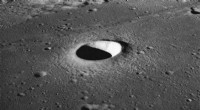
* Lunar Depressions: The lowest points on the Moon are within its impact craters, some of which are incredibly deep. The deepest known crater is Aitken Basin, located on the Moon's far side, with a depth of around 13 kilometers (8 miles).
So, while the Moon doesn't have the same kind of highest and lowest points as Earth, it has impressive topographical features like mountains and deep craters.