* Jupiter has no solid surface: Jupiter is a gas giant, so there's no solid ground to stand on.
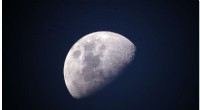
* Brightness depends on factors: The apparent brightness of a moon from Jupiter would depend on several factors, including:
* Distance: The closer the moon is to Jupiter, the brighter it would appear.
* Size: Larger moons naturally reflect more light.
* Surface reflectivity (albedo): Moons with brighter, more reflective surfaces will appear brighter.
* Position relative to Jupiter: The moon's position in its orbit would affect how much sunlight it reflects towards Jupiter.
However, we can make some educated guesses:
* Ganymede: Ganymede is the largest moon in the solar system and is relatively close to Jupiter. It also has a relatively high albedo. This combination would likely make it a strong contender for the brightest moon from Jupiter's "surface".
* Io: Io is another large moon with a high albedo. However, its proximity to Jupiter's intense magnetic field and volcanic activity might make its surface appearance unpredictable.
Ultimately, the actual answer depends on a complex combination of factors that we can't fully quantify.