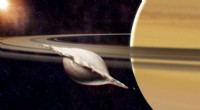
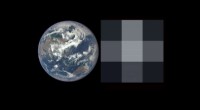
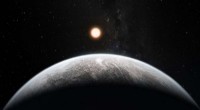
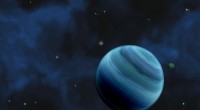
* Spherical (almost): Mercury, Venus, Earth, Mars, Jupiter, Saturn, Uranus, and Neptune are all oblate spheroids. This means they're slightly flattened at their poles and bulging at the equator due to their rotation. Think of a squashed orange!
* Not perfectly spherical: Because of their rotation and internal structure, none of the planets are truly perfect spheres. They all have subtle deviations from a perfect sphere, but these are generally very small compared to the overall size.
Additional points:
* Dwarf planets: Objects like Pluto, Ceres, and Eris are not technically planets, but they also tend to be oblate spheroids.
* Moons: Many moons in our solar system also have oblate spheroid shapes.
Let me know if you'd like to delve deeper into the reasons why planets aren't perfectly spherical!