1. Intrinsic Brightness (Luminosity):
* Size: Larger stars have a greater surface area, emitting more light and heat.
* Temperature: Hotter stars emit more energy at shorter wavelengths, appearing bluer and brighter.
* Age: Stars change in size and temperature throughout their lives. Young, hot stars are typically brighter than older, cooler stars.
2. Distance:
* Closer Stars: Stars that are closer to Earth appear brighter, even if they have lower intrinsic luminosity.
* Further Stars: Stars that are farther away appear dimmer, even if they are very luminous.
3. Interstellar Dust:
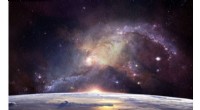
* Absorption: Dust clouds in space can absorb and scatter starlight, making distant stars appear fainter.
4. Atmospheric Conditions:
* Transparency: Clear skies allow for better viewing of stars. Clouds, fog, and pollution can obscure starlight.
* Light Pollution: Artificial light from cities can make it difficult to see faint stars.
In summary: A star's apparent brightness is determined by its intrinsic brightness (luminosity) and its distance from Earth. Factors like interstellar dust and atmospheric conditions also play a role.
It's important to note that apparent brightness is what we see from Earth, while absolute brightness (luminosity) is the actual amount of light a star emits. Astronomers can calculate a star's absolute brightness by considering its apparent brightness and distance.