Here's a breakdown:
* We can't see the entire galaxy: The Milky Way is a massive spiral galaxy with a diameter of about 100,000 light-years. Our solar system resides within one of its spiral arms, about 26,000 light-years from the galactic center. This means we are effectively inside the galaxy, looking outwards.
* We see the galactic disk: From our position, we see a flattened view of the galaxy's disk, which contains most of its stars and dust. This is what forms the band of light we observe.
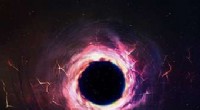
* We can't see the galactic bulge: The central bulge of the Milky Way, containing a supermassive black hole, is obscured by dust and gas clouds.
* We can't see the galactic halo: The halo, a vast spherical region surrounding the galaxy, is very faint and difficult to observe from Earth.
Therefore, while we can't see the Milky Way in its entirety, we can still observe a significant part of its disk from our planet, offering a glimpse into the grandeur of our own galaxy.