Immediate Effects:
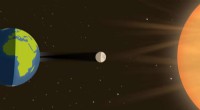
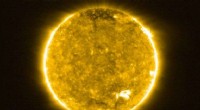
* Loss of Light and Heat: The Earth would plunge into darkness. Without the sun's energy, temperatures would plummet drastically, leading to a global freeze.
* Disruption of Photosynthesis: Plants, the foundation of the food chain, would cease to produce food as they rely on sunlight for photosynthesis.
* Loss of Solar Power: Our dependence on solar energy would come to a halt.
* Weather Chaos: The lack of solar energy would disrupt weather patterns, leading to unpredictable and extreme weather events.
Long-Term Consequences:
* Mass Extinction: Without plants and their ability to sustain the food chain, ecosystems would collapse, leading to widespread starvation and extinction of most life forms.
* Ocean Freeze: Oceans would freeze over, killing marine life and disrupting the global climate system.
* No Seasons: Earth's seasons are caused by the tilt of its axis and the sun's energy. Without the sun, there would be no variation in temperature or light throughout the year.
The Only Surviving Life:
* Deep Sea Vent Organisms: Some extremophile organisms living near hydrothermal vents deep in the ocean could potentially survive as they rely on geothermal energy rather than sunlight.
In Summary:
The absence of the sun would be a devastating event for Earth and its inhabitants. It would lead to a complete collapse of ecosystems, an extinction-level event, and the end of life as we know it.
Important Note: This scenario is purely hypothetical and impossible in reality. The sun is vital for Earth's existence and will continue to provide energy for billions of years to come.