The Moon's Influence:
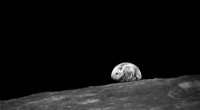
* Gravitational Pull: The moon's gravitational pull exerts a force on Earth's oceans, pulling water towards it. This pull is strongest on the side of Earth facing the moon, creating a bulge of water.
* Centrifugal Force: Earth's rotation also plays a role. As Earth spins, a centrifugal force pushes water outwards, creating another bulge on the opposite side of the planet from the moon.
* High Tides: These bulges of water result in high tides.
* Low Tides: The areas between the bulges experience low tides.
The Sun's Influence:
* Gravitational Pull: The sun's gravitational pull is weaker than the moon's, but it still affects Earth's tides.
* Combined Effect: When the sun, moon, and Earth are aligned (during new moon or full moon), their combined gravitational pull creates spring tides, which have higher high tides and lower low tides.
* Opposite Effect: When the sun and moon are at right angles to each other (during quarter moon phases), their gravitational pulls partially cancel each other out, leading to neap tides, which have lower high tides and higher low tides.
Other Factors:
* Ocean Basin Shape: The shape and depth of ocean basins influence the height and timing of tides.
* Landmasses: Continental landmasses and other geographical features can also influence tide patterns.
In summary:
The moon's gravitational pull is the primary driver of tides. The sun's gravitational pull also contributes, resulting in stronger tides when the sun and moon are aligned and weaker tides when they are at right angles.