1. Atmosphere:
* Earth: Our planet has a thick atmosphere composed primarily of nitrogen and oxygen. This atmosphere acts as a blanket, trapping heat radiated from the surface and preventing rapid cooling at night. The greenhouse effect, caused by gases like carbon dioxide and methane, further contributes to heat retention.
* Moon: The Moon has virtually no atmosphere to speak of. Without an atmospheric blanket, the surface radiates heat directly into space, leading to rapid cooling.
2. Composition and Surface:
* Earth: The Earth's surface is mostly covered in water, which has a high heat capacity. This means it takes a lot of energy to heat water, but it also releases that energy slowly. The presence of landmasses with varying terrain also affects heat distribution.
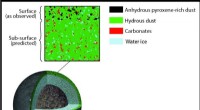
* Moon: The Moon's surface is mostly composed of rocky regolith, which has a low heat capacity. This means it heats up quickly during the day but cools down just as rapidly at night.
3. Internal Heat Source:
* Earth: The Earth has a molten core that generates internal heat, contributing to the overall temperature of the planet.
* Moon: The Moon has a much smaller core and is geologically inactive. This means it relies solely on external sources of heat, primarily the Sun.
4. Rotation:
* Earth: The Earth's rotation allows for a more even distribution of solar energy, with some areas receiving sunlight while others are in shadow. This helps regulate overall temperature fluctuations.
* Moon: The Moon rotates much slower, resulting in significantly longer periods of sunlight and darkness. This leads to extreme temperature swings between the two extremes.
In summary, the Earth's atmosphere, water coverage, internal heat, and rotation all contribute to its ability to retain heat and prevent rapid cooling at night, unlike the Moon.