What we see as the light part of the moon is actually sunlight reflecting off its surface. The dark part is simply the area of the moon that isn't being illuminated by the sun at that particular moment.
Here's a more detailed explanation:
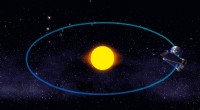
* Phases of the Moon: The moon's appearance changes as it orbits the Earth. This is because the angle between the sun, Earth, and moon changes, causing different portions of the moon's surface to be illuminated.
* Sunlight Reflection: The moon is covered in dust and rock, which reflect sunlight. This is why we see the moon as a bright, silvery object in the night sky.
* Shadows: The dark part of the moon, called the terminator, is the line between the sunlit and shadowed parts of the moon. This line moves as the moon orbits the Earth.
So, the "dark" and "light" parts of the moon are simply how we perceive its surface depending on how much sunlight is reflecting off of it.