Here's why stars twinkle:
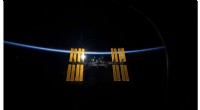
* Atmospheric Turbulence: The Earth's atmosphere is constantly in motion. Air currents of different temperatures and densities cause light from stars to bend and refract in different directions. This creates a constantly changing pattern of light reaching our eyes, making the stars appear to twinkle.
Note: Planets do not twinkle as much as stars because they appear as larger, more extended sources of light. This means their light is less affected by atmospheric turbulence.