Here's the breakdown:
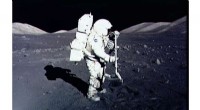
* Moons: Natural satellites that orbit planets.
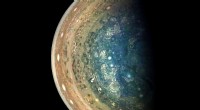
* Planets: Celestial bodies that orbit stars.
* Stars: Massive balls of hot gas that produce light and heat through nuclear fusion.
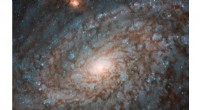
* Galaxies: Vast collections of stars, gas, dust, and dark matter held together by gravity.
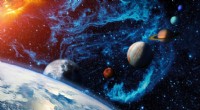
So, the Milky Way galaxy is home to billions of stars, and many of those stars have planets, some of which have moons. But the galaxy itself doesn't have any moons.