Here's the breakdown:
* The Problem: If there are billions of stars in the universe, and the universe is infinite, then logically, no matter where you look, you should see a star. This would make the night sky completely bright, like looking at the surface of the sun.
* Why This Doesn't Happen: There are a few reasons why we don't see a completely bright sky:
* The Universe is Not Infinite: While it's very large, the universe is believed to have a finite size. This means there's a limit to the number of stars we can see.
* The Universe is Expanding: As the universe expands, the light from distant stars stretches and shifts towards red wavelengths. This means that the light becomes less visible, ultimately disappearing from the visible spectrum.
* Dust and Gas Clouds: Intergalactic space is not completely empty. There are clouds of dust and gas that absorb and scatter light, obscuring our view of distant stars.
* The Limited Lifespan of Stars: Stars have a finite lifespan. While some stars are constantly being born, many stars have already burned out and faded from view.
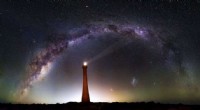
* What We Do See: While the night sky isn't completely bright, it's still filled with countless stars! The stars we can see are the ones closest to us or the ones that are exceptionally bright.
In short, Olbers' paradox highlights the complexities of understanding the vastness and evolution of the universe. It's a reminder that our perspective on the cosmos is limited by the constraints of our own planet and the limitations of human vision.