1. The Star: This is the main component of the system and the source of light and energy. The star's size, temperature, and mass determine the characteristics of the system.
2. Planets: These are celestial bodies that orbit the star. They can be rocky, gaseous, or icy, and some may even support life.
3. Moons: These are natural satellites that orbit planets. They can be quite diverse, ranging from small, rocky bodies to large, icy worlds.
4. Asteroids: These are small, rocky bodies that orbit the star, often concentrated in a belt between planets.
5. Comets: These are icy bodies that orbit the star in highly elliptical paths. They leave a trail of gas and dust as they approach the sun.
6. Dust and Gas: These materials can form disks around the star, providing material for the formation of planets and other bodies.
Types of Star Systems:
* Single-star systems: These have only one star, like our own solar system.
* Binary systems: These have two stars orbiting each other.
* Multiple-star systems: These have more than two stars orbiting each other, often in complex arrangements.
Formation:
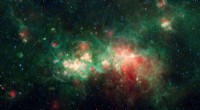
Star systems form from giant clouds of gas and dust called nebulae. Gravity pulls the material together, causing it to collapse and heat up. As the material spins, a central star is born, surrounded by a disk of remaining material. Over time, planets, moons, and other objects form from this disk.
Examples of Star Systems:
* Our Solar System: This is a single-star system with one star (the Sun) and eight planets.
* Alpha Centauri: This is a triple-star system with three stars orbiting each other.
* Sirius: This is a binary-star system with two stars orbiting each other.
Studying Star Systems:
Astronomers use telescopes and other instruments to observe star systems, studying their formation, evolution, and the potential for life on other planets.