* Lunar Phases: The moon doesn't produce its own light; it reflects sunlight. As it orbits the Earth, the angle at which sunlight hits the moon changes, creating different phases. During the new moon phase, the sunlit side of the moon faces away from Earth, making it invisible.
* Position Relative to the Sun: During the day, the moon is often in the sky, but the sun's brightness overwhelms the moon's reflected light, making it difficult to see.
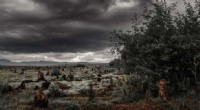
* Weather: Clouds, rain, fog, or even haze can obscure the moon, making it appear hidden.
* Location on Earth: The moon's visibility can vary depending on your location on Earth. If the moon is below the horizon at your location, you won't see it.
Here's a simple analogy: Imagine the moon like a coin. As you rotate the coin, different parts of its surface become visible. Similarly, the moon's phases are caused by the changing angle at which sunlight hits it.
So, the next time you can't see the moon, remember that it's likely just hiding behind a cloud, or it's simply in a phase where its sunlit side faces away from Earth.