Increasing:
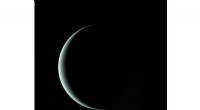
* Shape: The moon will be getting fatter each night, moving from a thin crescent to a gibbous shape.
* Position: It will be visible in the western sky after sunset and will set later each night.
Decreasing:
* Shape: The moon will be getting thinner each night, moving from a gibbous shape to a thin crescent.
* Position: It will be visible in the eastern sky before sunrise and will rise later each night.
Key Terms:
* Crescent: A thin, curved shape.
* Gibbous: A shape that is more than half full.
* Waxing: Increasing in illuminated area.
* Waning: Decreasing in illuminated area.
Additional Tips:
* Use a Moon Phase App: There are many apps available that can help you determine the current moon phase and predict future phases.
* Observe the Moon Regularly: Over the course of a month, you'll notice how the moon's shape changes and its position in the sky shifts.
Remember, the moon doesn't actually produce light; it reflects sunlight. The different phases we see are due to the changing angle at which we see the illuminated portion of the moon as it orbits the Earth.