1. Observable Properties:
* Light and Heat: The Sun emits immense amounts of light and heat. We know stars are massive, hot objects that generate energy through nuclear fusion, which produces light and heat. The Sun exhibits these same properties.
* Spectroscopic Analysis: Analyzing the light from the Sun reveals the presence of specific elements like hydrogen and helium. These are the same elements found in other stars, and they are the primary fuels for nuclear fusion.
* Similar Composition: The Sun's composition is remarkably similar to other stars, primarily hydrogen and helium. This reinforces the idea that it shares a similar origin and process.
2. Physical Processes:
* Nuclear Fusion: The Sun's energy output is far too large to be sustained by chemical reactions alone. The only known process capable of producing this level of energy is nuclear fusion, which happens in the core of stars.
* Gravity and Pressure: Stars are held together by their own gravity, which creates immense pressure in their core. This pressure is necessary to initiate and sustain nuclear fusion. The Sun exhibits the same gravitational forces and internal pressure.
3. Stellar Evolution:
* Main Sequence: The Sun fits neatly into the category of main sequence stars, which are stars in the prime of their lives, fusing hydrogen into helium. Stars evolve over billions of years, and the Sun's position on the main sequence aligns with its estimated age.
* Similar Behavior: The Sun's behavior aligns with our understanding of stellar evolution. It exhibits cycles of activity, including sunspots and solar flares, which are common features of stars.
4. Observational Evidence:
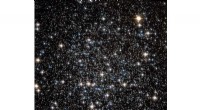
* Other Stars: We have observed countless other stars, and the Sun's properties closely resemble those of other stars. This shared behavior strengthens the argument for its star status.
* Distance and Size: The Sun is a relatively small and nearby star. Its distance and size are consistent with what we expect from stars, further supporting its classification.
In conclusion:
While we can't physically travel to the Sun's core to directly witness fusion, the overwhelming evidence from its observable properties, physical processes, stellar evolution, and comparison to other stars all point to the same conclusion: the Sun is a star. It's a star that happens to be remarkably close to us, and the source of life on our planet.