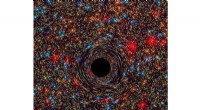
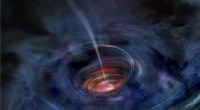
* Cosmology: The scientific study of the universe, its properties, and its evolution. It uses scientific observations and theories to understand the big bang, the formation of galaxies and stars, and the nature of dark matter and dark energy.
* Mythology: Many cultures have myths and legends that explain the creation of the universe. These stories often involve gods, goddesses, and supernatural beings.
* Philosophy: Philosophers have long pondered the origins of the universe, proposing different ideas about its nature, cause, and purpose.
* Religion: Religions often have creation stories that explain the origins of the universe and humanity. These stories are usually based on faith and tradition rather than scientific evidence.
Here's a breakdown of key aspects of Cosmogony:
* Origin: The study of cosmogony focuses on the "beginning" - how the universe came into existence.
* Evolution: Cosmogony also includes the study of the universe's early development - how it evolved from its initial state to its current form.
* Nature: Cosmogony often explores the fundamental nature of the universe, asking questions about its properties, laws, and purpose.
In summary, cosmogony is a broad and fascinating field that explores the origins and development of the universe from various perspectives. It's a field that combines scientific inquiry, cultural narratives, philosophical thought, and religious beliefs.