1. Understanding Light Sources:
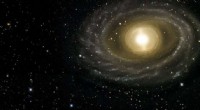
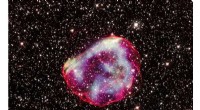
* Astronomy: Astronomers measure light intensity from stars and other celestial objects to determine their brightness, temperature, and distance.
* Physics: Physicists measure light intensity to understand the properties of light sources, such as lasers, LEDs, and incandescent bulbs. They study how light interacts with matter, and how its intensity affects various processes.
2. Studying Biological and Chemical Processes:
* Biology: Biologists measure light intensity to study photosynthesis in plants, the growth and behavior of organisms, and the effects of light on different species.
* Chemistry: Chemists measure light intensity to analyze chemical reactions, identify compounds, and understand the interaction of light with molecules.
3. Monitoring and Controlling Light:
* Medicine: Doctors use light intensity measurements to monitor patients' health, such as blood oxygen levels. They also use light therapy to treat certain conditions, such as seasonal affective disorder.
* Agriculture: Farmers use light intensity measurements to optimize plant growth and yield by ensuring sufficient light exposure.
* Manufacturing: Engineers use light intensity measurements to control the quality of products, such as the thickness of thin films or the uniformity of illumination in displays.
4. Safety and Environmental Monitoring:
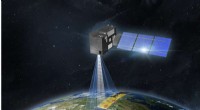
* Environmental science: Scientists use light intensity measurements to monitor air and water quality, assess the impact of pollution, and study climate change.
* Health and safety: Light intensity is a key factor in occupational safety, such as preventing eye damage from excessive light exposure in industrial settings.
5. Research and Development:
* Materials science: Scientists measure light intensity to study the optical properties of materials and develop new materials with specific light-absorbing or emitting properties.
* Telecommunications: Engineers use light intensity measurements to optimize the performance of fiber optic cables for data transmission.
Overall, measuring light intensity is crucial in understanding a wide range of phenomena, from the fundamental properties of light to its impact on our daily lives. It plays a vital role in scientific research, technological advancements, and our well-being.