1. In astronomy:
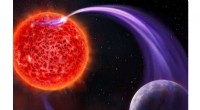
* An orbit is the curved path an object in space takes around another object due to gravity. Planets orbit stars, moons orbit planets, and even stars can orbit each other. The shape of an orbit can be circular, elliptical, or even more complex, depending on factors like the initial velocity and the masses of the objects involved.
2. In general use:
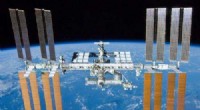
* Orbit can also be used as a verb to describe something moving in a circular or elliptical path. For example, "The plane orbited the airport before landing" or "The satellite orbited the Earth."
Key characteristics of an orbit:
* Gravity: The primary force responsible for keeping objects in orbit.
* Velocity: The object's speed and direction of motion.
* Shape: The shape of the orbit, which can be circular, elliptical, parabolic, or hyperbolic.
* Period: The time it takes for an object to complete one full orbit.
* Orbital elements: A set of numbers that describe the size, shape, and orientation of an orbit.
Understanding orbits is crucial in astronomy, space exploration, and even satellite communication.