1. Distance and Perspective:
* Stadium Lights: From a distance, the stadium lights appear as small, bright points of light. As you get closer, they become larger and more defined.
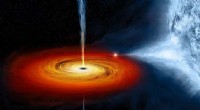
* Stars: Stars are incredibly far away, making them appear as tiny specks of light. They are, in reality, giant balls of burning gas.
2. Brightness and Intensity:
* Stadium Lights: The lights are designed to be incredibly bright, illuminating the field and making the game visible even at night.
* Stars: Different stars emit varying levels of light, some appear brighter than others due to their size, distance, and temperature.
3. Twinkling Effect:
* Stadium Lights: While not as pronounced as stars, stadium lights can sometimes appear to flicker or twinkle slightly, especially when viewed from a distance. This can be due to the movement of air, causing the light to refract in different directions.
* Stars: The twinkling of stars is caused by the Earth's atmosphere, where different layers of air with varying densities bend the light.
4. Point of Light:
* Stadium Lights: The lights are designed as focused beams, appearing as distinct points of light.
* Stars: Stars also appear as distinct points of light in the night sky, even though they are actually vast celestial objects.
5. Inspiration and Wonder:
* Stadium Lights: The bright lights of a stadium can create a sense of excitement and wonder, drawing people to the event.
* Stars: Looking at the stars has inspired awe and curiosity for millennia, prompting humans to explore and understand the vastness of the universe.
While the origin and nature of stadium lights and stars are entirely different, their appearance from a distance and the effect they create can share similarities, prompting us to reflect on the beauty and wonder of both the artificial and the natural world.