What is Plasma?
Plasma is a superheated gas where electrons are stripped from their atoms, creating a sea of charged particles. This makes plasma highly conductive and reactive.
Why Stars are Plasma:
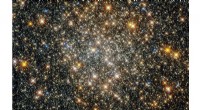
* Extreme Heat and Pressure: Stars are massive balls of gas under immense gravitational pressure. This creates incredibly high temperatures (millions of degrees Celsius) that ionize the atoms, turning the gas into plasma.
* Nuclear Fusion: The heat and pressure in stars also drive nuclear fusion reactions, where hydrogen atoms combine to form helium, releasing even more energy and sustaining the plasma state.
Why Plasma is Rare on Earth:
* Low Temperatures: Earth's atmosphere and surface are relatively cool compared to stars. The temperatures needed to ionize atoms are not naturally present on Earth.
* Gravity: Earth's gravity is much weaker than a star's. This means we lack the pressure necessary to create plasma.
Where Plasma Exists on Earth:
While plasma is not common, it does exist in certain situations:
* Lightning: The intense heat of lightning ionizes air molecules, creating a temporary plasma channel.
* Fluorescent Lights: These use an electric current to ionize gas, creating plasma that emits light.
* Plasma TVs: These devices use plasma to illuminate pixels.
* The Aurora Borealis: This spectacular display of light is caused by charged particles from the sun interacting with the Earth's magnetic field and atmosphere, creating plasma.
* Industrial Applications: Plasma is used in welding, etching, and other industrial processes.
In summary, plasma is rare on Earth because we lack the extreme temperatures and pressure found in stars. However, it can be created in certain situations and has important applications in technology and industry.