1. Distance from the Sun:
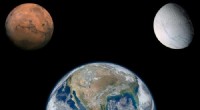
* Inner Planets (Terrestrial): Mercury, Venus, Earth, and Mars are closer to the Sun. The intense solar radiation and heat drove away lighter elements like hydrogen and helium, leaving behind heavier elements like iron, silicon, and oxygen. This led to the formation of rocky planets with dense, solid surfaces.
* Outer Planets (Gas Giants): Jupiter, Saturn, Uranus, and Neptune are farther from the Sun. The lower temperatures allowed lighter elements to condense and form massive gas envelopes. These planets are primarily composed of hydrogen and helium, with smaller amounts of heavier elements in their cores.
2. Condensation Temperature:
* Frost Line: There's a theoretical line in the early solar system called the frost line. Beyond this line, it was cold enough for volatile elements like water, methane, and ammonia to freeze into solid ice.
* Inner Planets: Inside the frost line, only rock and metal could condense.
* Outer Planets: Beyond the frost line, icy materials contributed significantly to the planets' compositions.
3. Planetesimal Formation:
* Inner Planets: Planetesimals (small bodies that eventually formed planets) in the inner solar system were mostly made of rock and metal.
* Outer Planets: Planetesimals in the outer solar system included ices and volatile elements, leading to the formation of gas giants with large icy cores.
4. Early Solar Wind:
* The Sun's early solar wind, much stronger than it is today, blew away lighter elements from the inner solar system, further contributing to the differences in composition.
In summary: The combination of distance from the Sun, condensation temperatures, the composition of available materials, and the early solar wind shaped the diverse compositions of planets in our solar system. This explains why the inner planets are rocky and dense while the outer planets are gaseous and massive.