Largest
1. Galaxies: These are massive collections of stars, gas, dust, and dark matter. They reflect light because of the stars within them.
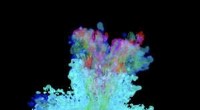
2. Nebulae: These are vast clouds of gas and dust, often illuminated by nearby stars. Some reflect light directly, while others emit their own light through various processes.
3. Stars: Stars emit their own light, but they also reflect a tiny amount of light from other stars.
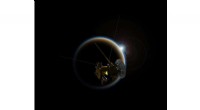
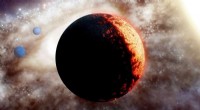
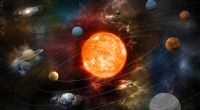
4. Planets: Planets don't emit their own light, but they reflect light from their star. The larger the planet, the more light it can reflect.
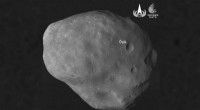
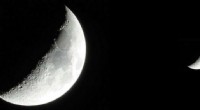
5. Moons: Like planets, moons reflect the light of their star.
Notable Exceptions
* Black Holes: Black holes are incredibly dense objects that have such strong gravity that even light cannot escape.
* Dark Matter: Dark matter doesn't emit or reflect light, but it does exert gravitational influence.
Smallest
* Asteroids: These are rocky bodies orbiting the sun, often reflecting sunlight.
* Comets: These are icy bodies that reflect sunlight, often forming a bright tail as they approach the sun.
* Dust Grains: Tiny particles of matter in space, they reflect light but are too small to be seen individually.
It's Important to Note: The size of an object isn't the only factor determining how much light it reflects. The object's composition, surface properties, and the amount of light it receives also play significant roles.