There are many different types of telescopes, each designed to observe different types of light and objects:
* Optical telescopes: These are the most common type of telescope and use lenses or mirrors to collect visible light.
* Radio telescopes: These telescopes collect radio waves, which can be used to study objects that are too cold or too dusty to be seen with optical telescopes.
* Infrared telescopes: These telescopes collect infrared radiation, which can be used to study objects that are hidden by dust and gas.
* Ultraviolet telescopes: These telescopes collect ultraviolet radiation, which can be used to study hot and energetic objects.
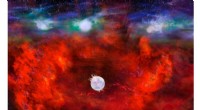
* X-ray telescopes: These telescopes collect X-rays, which can be used to study very hot and dense objects, such as black holes and neutron stars.
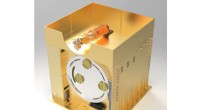
* Gamma-ray telescopes: These telescopes collect gamma rays, which are the highest energy form of light. They can be used to study the most energetic events in the universe.
Each type of telescope has its own strengths and weaknesses, so scientists often use multiple telescopes to study the same object from different perspectives.