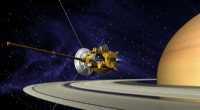
Imagine a tiny spaceship soaring through the vast darkness of space. That's a satellite! Satellites are like our eyes in the sky, helping us learn about Earth and beyond.
Here's the journey of a satellite, simplified for 5th grade:
1. Launch Time!
* Satellites are launched from Earth using powerful rockets. These rockets shoot the satellite into space, like a giant slingshot!
* They travel very, very fast, reaching speeds of thousands of miles per hour!
2. Orbiting Earth
* Once in space, the satellite enters a specific path around Earth called an orbit.
* Think of it like a giant circle or oval, where the satellite continuously travels around Earth.
* Depending on its purpose, a satellite might orbit close to Earth (like weather satellites) or far away (like communication satellites).
3. Doing Its Job
* Now, the satellite begins its mission! Different satellites have different jobs:
* Weather Satellites: Take pictures of clouds and storms to predict the weather.
* Communication Satellites: Help us make phone calls, send emails, and watch TV.
* Navigation Satellites: Help us find our way using GPS.
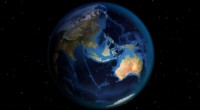
* Earth Observation Satellites: Study Earth's land, oceans, and atmosphere.
* Space Telescopes: Look at stars and galaxies far, far away.
4. Sending Information Back to Earth
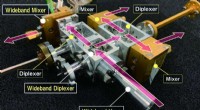
* Using radio waves, the satellite sends information back to Earth.
* This information is received by special antennas and used by scientists, meteorologists, and people around the world.
5. End of Mission
* After many years of service, satellites eventually run out of fuel or their technology becomes outdated.
* They can be safely brought back to Earth or left to orbit in a designated "graveyard" in space.
Fun Facts:
* The International Space Station, a huge laboratory in space, is also a type of satellite!
* There are thousands of satellites orbiting Earth right now!
* Satellites help us learn about our planet, explore space, and connect with people all over the world.
This is just a simple explanation of a satellite's journey. There's so much more to learn about them! Keep exploring, and you might become a space scientist one day!