1. Earth: Our planet, home to life as we know it.
2. Solar System: Earth orbits the Sun, a star, and is part of a system that includes seven other planets, dwarf planets, asteroids, and comets.
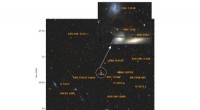
3. Milky Way Galaxy: The Sun and the Solar System are located in a spiral galaxy called the Milky Way, which contains billions of stars, gas, dust, and dark matter.
4. Local Group: The Milky Way Galaxy is part of a cluster of about 50 galaxies called the Local Group.
5. Virgo Supercluster: The Local Group is part of a larger structure known as the Virgo Supercluster, a vast collection of galaxy clusters and groups.
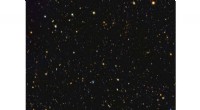
6. Observable Universe: This encompasses everything we can observe from Earth, extending billions of light-years in all directions.
7. The Universe: While the Observable Universe is the portion we can see, the Universe likely extends far beyond this, potentially infinitely.
It's important to note that this structure is not static. Galaxies move, collide, and interact, constantly changing the universe's large-scale appearance.
The structure of the universe is still being studied and debated, but this overview provides a basic framework for understanding how Earth fits into the grand cosmic scheme.