1. Meteorite: A small piece of rock or metal that falls to Earth from space.
2. Asteroid: Rocky or metallic bodies that orbit the Sun, much smaller than planets.
3. Comet: Icy bodies that release gas and dust when they get close to the Sun.
4. Planet: A celestial body that orbits a star and is massive enough to be rounded by its own gravity.
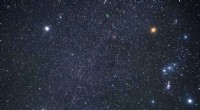
5. Star: A giant ball of hot gas that produces its own light and heat through nuclear fusion.
6. Solar System: A star and all the objects that orbit it, including planets, moons, asteroids, and comets.
7. Galaxy: A vast collection of stars, gas, dust, and dark matter held together by gravity.
8. Universe: The entirety of space and time, including all matter and energy.
Important Note: The size of a comet can vary greatly, from a few meters to tens of kilometers across.