What are "Gas Giant Moons" and "Other Planets"
* Gas Giant Moons: These are moons orbiting gas giant planets (like Jupiter and Saturn). Examples include Ganymede, Callisto, Titan, and Europa.
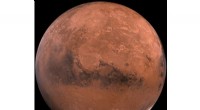
* Other Planets: This could refer to terrestrial planets (like Earth, Mars, Venus), gas giants themselves (like Jupiter, Saturn), or even dwarf planets (like Pluto).
Comparing Properties:
* Size and Mass: Gas giant moons are generally smaller and less massive than planets. Some moons, like Ganymede, are actually larger than the planet Mercury.
* Composition:
* Gas giant moons: They tend to be composed of rock and ice, with some having atmospheres (Titan) or subsurface oceans (Europa).
* Other planets: They are more diverse. Terrestrial planets are mainly rock and metal, gas giants are primarily gas (hydrogen and helium), and dwarf planets can be a mix of rock and ice.
* Atmosphere: Some gas giant moons (like Titan) have substantial atmospheres, while others have very thin ones (like Ganymede). Terrestrial planets like Earth and Venus have significant atmospheres, while other planets like Mars have very thin ones.
* Geological Activity: Some gas giant moons (like Io and Europa) are geologically active, with volcanoes and tectonic plates. Other planets like Earth and Venus also have active geology, while some like Mars are largely geologically dormant.
The Bottom Line
It's hard to say definitively if gas giant moons more closely resemble "other planets." They share some characteristics with both terrestrial planets and gas giants:
* Similarities to terrestrial planets: They can have solid surfaces, atmospheres, and some level of geological activity.
* Similarities to gas giants: They are sometimes very large and can have significant atmospheres.
Conclusion: Gas giant moons are unique and fascinating objects in our solar system. They share traits with both terrestrial planets and gas giants, making them difficult to categorize definitively. The specific properties of each moon determine which planetary characteristics they most closely resemble.