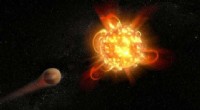
1. Nuclear Fusion: The Sun produces energy through nuclear fusion in its core. This process combines hydrogen atoms to form helium, releasing massive amounts of energy in the form of light and heat.
2. Electromagnetic Radiation: This energy travels through space as electromagnetic radiation, which includes visible light, infrared radiation, and ultraviolet radiation.
3. Journey to Earth: The radiation travels at the speed of light, taking approximately 8 minutes to reach Earth.
4. Earth's Atmosphere: Some of the Sun's radiation is absorbed by Earth's atmosphere, while some is reflected back into space. This process is what keeps our planet warm enough to sustain life but not too hot to burn.
5. Reaching the Surface: The radiation that reaches Earth's surface provides the energy for life, including:
* Photosynthesis: Plants use sunlight to convert carbon dioxide and water into food.
* Weather Patterns: The Sun's energy drives weather patterns, including wind and precipitation.
* Global Temperatures: The Sun's radiation warms our planet and keeps it habitable.
It's important to note that the Sun's radiation is not a uniform beam. Different parts of the Earth receive different amounts of sunlight depending on the time of day, season, and latitude. This variation in sunlight is what causes day and night, the seasons, and different climate zones around the world.