1. Brightness (Magnitude):
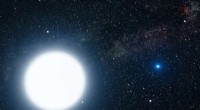
* Visual Magnitude: This is the most common way to describe a meteor's brightness. It uses a logarithmic scale, where smaller numbers represent brighter objects.
* A magnitude of 0 is roughly the brightness of the brightest stars visible to the naked eye.
* A magnitude of -4 is about the brightness of Venus.
* A very bright meteor, a "bolide," can reach magnitudes as bright as -10 or -15, surpassing the brightness of the full moon.
* Photometric Magnitude: This is a more precise measurement using instruments like photomultipliers, which measure the intensity of light emitted by the meteor.
2. Size and Mass:
* Estimated Size: It's difficult to directly measure a meteor's size while it's burning up in the atmosphere. However, scientists can estimate the size based on its brightness and speed.
* Meteorite Mass: If a meteoroid survives its descent through the atmosphere and becomes a meteorite, its mass can be measured directly.
3. Speed and Trajectory:
* Speed: Meteors travel at extremely high speeds, typically between 11 and 72 kilometers per second (6.8 to 45 miles per second). This speed is measured using cameras or radar systems.
* Trajectory: The path of a meteor across the sky is called its trajectory. This is measured using multiple cameras at different locations, which allow scientists to triangulate the meteor's path.
4. Other Metrics:
* Duration: The time a meteor is visible in the sky can vary from a fraction of a second to several seconds. This is also measured using cameras.
* Color: The color of a meteor is determined by the composition of the meteoroid and the temperature of its burning gases.
Tools and Methods:
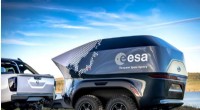
* Cameras: Cameras, both still and video, are used to capture images of meteors, which allow scientists to measure their brightness, trajectory, and duration.
* Radar Systems: Radar systems can detect meteors even during daylight or cloudy conditions, providing information about their speed and trajectory.
* Satellites: Some satellites are designed to detect and track meteors, providing valuable data about meteor showers and the overall distribution of meteors in the Earth's atmosphere.
By using these different tools and methods, scientists can learn more about the nature and origins of meteors, helping us understand our solar system and its history.