General Characteristics:
* Size and Mass: Typically rocky planets, slightly larger than Earth with a similar density.
* Location: Situated within the habitable zone of its star, where temperatures allow for liquid water on the surface.
* Atmosphere: Possessing a substantial atmosphere with the right composition of gases to support life, such as nitrogen, oxygen, and carbon dioxide. This atmosphere would also help regulate temperature and protect from harmful radiation.
* Presence of Water: Liquid water is essential for life as we know it. This could be in the form of oceans, lakes, rivers, or even underground reservoirs.
Potential Appearance:
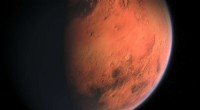
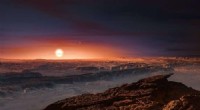
* Color: The color of a Goldilocks planet would depend on its atmosphere, surface composition, and cloud cover. It could appear blue, green, brown, or even a combination of colors.
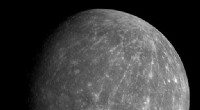
* Surface Features: Depending on its geological history, a Goldilocks planet might have mountains, valleys, canyons, volcanoes, and other interesting geological features.
* Vegetation: If the planet supports life, it could be covered in diverse flora, ranging from simple microbes to complex plants, contributing to the planet's color and overall appearance.
Note:
* These are just possibilities based on our current understanding of habitability. There could be other factors contributing to a planet's appearance, and we may find life existing in environments we currently consider uninhabitable.
* We have yet to directly observe a true Goldilocks planet, but many promising candidates are being studied.
It's important to remember that the concept of a Goldilocks planet is a theoretical one, and the search for such a planet is an ongoing endeavor. As we continue to explore space, we may discover planets that surprise us with their unique appearances and characteristics.