Comets:
* Harbingers of doom: Throughout history, comets have been associated with war, famine, pestilence, and the death of rulers. This fear stems from their unpredictable appearance and bright, fiery nature.
* Signs of change: Some cultures believe comets represent a time of significant change, either positive or negative.
* Celestial messengers: Some believe comets carry messages from the gods or spirits.
* Good luck: In some cultures, comets are seen as a symbol of hope and new beginnings.
Meteors (Shooting Stars):
* Making wishes: The most common superstition is that making a wish when seeing a meteor will grant it. This belief likely stems from the transient and magical nature of meteors.
* Signs from the gods: In some cultures, meteors are believed to be messages from the gods, or spirits of the deceased.
* Bad luck: In other cultures, seeing a meteor can be considered a sign of bad luck.
Stars:
* Stargazing for destiny: Astrologers believe that the position of stars at birth influences one's personality and destiny.
* Shooting stars and lost souls: Some cultures believe shooting stars are lost souls searching for their way to heaven.
* Star constellations and fortune: Ancient civilizations often attributed specific meanings to constellations, linking them to events and personalities.
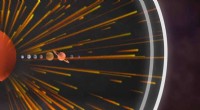
Planetary Transits:
* Astrological influence: Astrology suggests that planetary transits impact our lives, with certain alignments influencing our emotions, relationships, and fortune.
* Signs of good or bad fortune: In some cultures, planetary transits are seen as signs of good or bad luck, especially when they align with specific astrological events.
* Celestial events impacting the Earth: Some cultures believe that planetary alignments can cause natural disasters or political upheaval.
It's important to remember:
* These beliefs are often rooted in ancient cultural traditions and folklore.
* There's no scientific evidence to support these superstitions.
* It's always best to approach these beliefs with a healthy dose of skepticism.
The beauty and wonder of celestial events should be appreciated for their scientific significance and awe-inspiring nature, rather than being interpreted through superstitious beliefs.