1. Thin Atmosphere: Mars' atmosphere is much thinner than Earth's, only about 1% as dense. This means there is less air resistance to hold dust down.
2. Loose Dust: Mars' surface is covered in fine-grained dust, easily picked up by even mild winds.
3. Strong Winds: Although the overall atmospheric pressure is low, winds on Mars can still be quite strong, especially during the summer when the planet is closest to the Sun and receives more solar energy.
4. Uneven Heating: The Martian surface heats unevenly, creating temperature differences that drive winds. This is especially true in the summer, when the southern hemisphere gets more sunlight and experiences larger temperature swings.
5. Topography: Mars' varied topography, including volcanoes and canyons, can funnel and amplify winds, making dust storms more likely.
6. Lack of Moisture: Mars' dry atmosphere lacks the water vapor necessary to dampen dust storms. This allows dust to remain suspended in the air for extended periods.
How Dust Storms Form:
* Initial Trigger: A small dust storm, perhaps kicked up by a local wind, can act as a seed.
* Positive Feedback: As the dust cloud grows, it absorbs more sunlight, further warming the air and strengthening the winds.
* Expansion: This cycle continues, causing the storm to expand and engulf vast areas of the planet.
* Planetary-Scale Storms: The dust storms can grow so large that they encircle the entire planet, blocking sunlight and creating a haze that can last for months.
Consequences of Dust Storms:
* Climate Change: Dust storms affect the Martian climate by blocking sunlight and altering the temperature of the atmosphere.
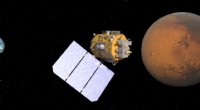
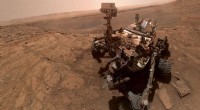
* Hazard to Missions: Dust storms can pose a threat to robotic and human missions to Mars, covering solar panels and potentially damaging equipment.
* Atmospheric Chemistry: Dust storms can stir up the Martian atmosphere, influencing the distribution of gases and influencing the planet's weather patterns.
Understanding these factors is crucial for studying Mars and planning future missions.