What you CAN see:
* The Moon: You'll see incredible detail on the lunar surface, including craters, mountains, and maria.
* Planets: You can observe the phases of Venus, the cloud bands of Jupiter, and the rings of Saturn, though the details will be limited. Mars will show some surface features, and you might even catch a glimpse of its polar ice caps.
* Bright Stars: You'll be able to see the individual colors of some stars and resolve double stars.
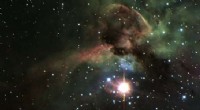
* Messier Objects: You might be able to see some brighter Messier objects, including globular clusters like M13 (Hercules Cluster), and nebulae like M42 (Orion Nebula), but the details will be faint.
What you likely WON'T see:
* Galaxies: While you might be able to catch a glimpse of the Andromeda Galaxy on a very dark night, seeing distant galaxies will be very challenging.
* Faint Deep-Sky Objects: Most faint deep-sky objects, like distant nebulae, galaxies, or star clusters, will be beyond the reach of this telescope.
Important Factors:
* Light Pollution: A dark sky location is essential for maximizing what you can see. Even a small amount of light pollution will significantly reduce your viewing capabilities.
* Atmospheric Conditions: Seeing conditions (the steadiness of the atmosphere) play a major role. Turbulent air will make objects appear blurry and reduce detail.
* Magnification: While a 525x power sounds impressive, it might be too high for most observing. Higher magnifications make objects appear brighter, but they also reduce field of view and make objects more difficult to find.
* Experience: Observing with a telescope takes practice and patience. Learning to find objects, focus the telescope properly, and use appropriate magnification are all important skills.
Alternatives:
* Larger Aperture: Telescopes with larger objective diameters (e.g., 8-inch or 10-inch) will gather more light and allow you to see fainter objects.
* Dedicated Deep-Sky Telescopes: Telescopes designed for deep-sky observation often have lower magnification but wider field of view, making them better suited for finding faint objects.
Recommendation:
While a 525x power telescope with a 70mm objective can be a good starting point for exploring the night sky, don't be discouraged if you can't see everything you imagine. Focus on enjoying the wonders that are within reach, and consider upgrading to a larger telescope in the future if you want to observe more challenging objects.