Definitely have magnetic fields:
* Earth: This is the strongest magnetic field in the solar system, generated by the movement of molten iron in its core.
* Jupiter: Jupiter has the strongest magnetic field of any planet in our solar system, exceeding Earth's by 20,000 times. It's generated by its fast rotation and metallic hydrogen core.
* Saturn: Saturn has a weaker magnetic field than Jupiter, but it's still significant. It's thought to be generated by its metallic hydrogen core.
* Mercury: Mercury has a surprisingly strong magnetic field for its size. It's generated by the rotation of its liquid iron core.
* Uranus and Neptune: Both have magnetic fields, but they're tilted at odd angles and their strength varies greatly across their surfaces.
Potentially have magnetic fields:
* Ganymede (Jupiter's moon): Ganymede is the only moon in our solar system known to have a significant magnetic field. It's thought to be generated by the movement of salty water within its core.
* Europa (Jupiter's moon): Some scientists believe Europa may have a weak magnetic field, but it's not yet confirmed.
Don't have magnetic fields:
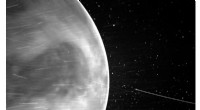
* Venus and Mars: Both Venus and Mars have weak magnetic fields that are not considered "global" or generated by internal processes like the other planets. Instead, they are thought to be induced by the solar wind.
* The Sun: The Sun doesn't technically have a magnetic field like planets. It has a magnetosphere created by its own magnetic activity.
Conclusion:
While there are only a few confirmed bodies in the solar system with magnetic fields, there's a possibility that more are discovered as we learn more about other planets and moons.