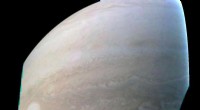
* Outer Planets (Gas Giants): These are Jupiter, Saturn, Uranus, and Neptune. They are primarily composed of gas (mostly hydrogen and helium), with smaller amounts of rock and ice. While they are massive, their density is actually quite low. This is because their gas is spread out over a large volume.
* Smaller Planets (Terrestrial Planets): These include Mercury, Venus, Earth, and Mars. They are mainly composed of rock and metal, making them much denser than the gas giants.
So, in general, the smaller, rocky planets are denser than the larger gas giants.
However, there are some exceptions:
* Density varies within planets: Even within a single planet, density can vary. For example, Earth's core is incredibly dense due to its iron and nickel composition.
* Density and size aren't always directly related: While size can be a factor, the composition of a planet has a much greater influence on its density.
Here's a helpful way to think about it: Imagine a giant balloon filled with air. The air is light, but the balloon is huge. Now imagine a small, solid rock. The rock is much smaller but denser because it's made of solid material. The same concept applies to planets.