The Problem:
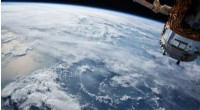
* Motion is Relative: Motion isn't absolute. It's always described *relative* to something else. For example, you're sitting still in your chair, but you're also moving with the Earth as it rotates, orbits the sun, and moves through the galaxy.
* Galaxy and Solar System: While our galaxy (the Milky Way) and our solar system are moving, they are also moving *relative* to other things. They're not stationary in some absolute space.
How to Think About Origins of Motion:
1. The Big Bang: The universe began in a tremendously hot and dense state. The expansion of space itself after the Big Bang is the ultimate source of the motion we see today. Everything in the universe is moving away from every other thing due to this initial expansion.
2. Gravity and Interactions: After the Big Bang, gravity began to pull matter together. This led to the formation of stars, galaxies, and solar systems. The motion of these objects is influenced by:
* Gravitational Pull: Galaxies move towards each other in clusters due to their gravitational attraction.
* Orbital Motion: Planets orbit stars due to gravity. The Milky Way itself is rotating, carrying our solar system with it.
* Collisions and Encounters: Occasionally, galaxies collide, and the gravitational interactions can cause significant changes in the motion of individual stars and gas.
To Answer Your Question More Specifically:
* Our Solar System's Motion: Our solar system is moving within the Milky Way galaxy, orbiting the galactic center. This motion is primarily due to the gravitational pull of the galaxy's mass.
* The Milky Way's Motion: Our galaxy is moving through space, likely towards the Andromeda Galaxy (our galactic neighbor). This motion is due to the gravitational pull between the two galaxies.
In Summary:
The origins of motion in the universe are a complex story of the Big Bang, gravity, and the constant interplay between objects. Everything is moving relative to something else, and the specific motion of our galaxy and solar system is just one piece of this grand cosmic dance.