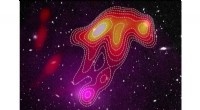
* Galaxies are vast: Galaxies are incredibly large, containing billions or even trillions of stars.
* We haven't counted everything: We haven't been able to observe and count every single star, planet, or moon in even our own Milky Way galaxy.
* New discoveries: Scientists are constantly discovering new planets and moons, and the number is constantly growing.
What we *do* know:
* Our Milky Way: Our galaxy, the Milky Way, is estimated to have about 100-400 billion stars. It's likely that most of these stars have planets, and many of those planets may have moons.
* Other galaxies: Other galaxies likely have similar numbers of stars, planets, and moons.
* The universe is vast: There are billions of galaxies in the observable universe.
So, the answer is that there are likely trillions upon trillions of stars, planets, and moons in the observable universe.