1. Declaration of Faith (Shahada): Belief in the oneness of God (Allah) and the prophethood of Muhammad.
2. Prayer (Salah): Performing five daily prayers at specific times.
3. Fasting (Sawm): Abstaining from food and drink during the month of Ramadan.
4. Charity (Zakat): Giving a portion of one's wealth to the poor and needy.
5. Pilgrimage (Hajj): Making a pilgrimage to Mecca once in a lifetime, if physically and financially able.
However, there are some indirect connections:
* The Quran and Cosmos: The Quran mentions astronomical phenomena like the creation of the universe, stars, planets, and the moon. Some Muslims find inspiration in these verses, seeing them as evidence of God's power and wisdom.
* Observing the Moon: The Islamic lunar calendar, which governs the timing of Ramadan and Hajj, relies on the sighting of the moon. Therefore, astronomical observations are crucial for determining these important religious events.
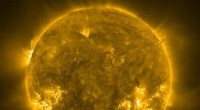
* Timekeeping: Prayer times are based on the position of the sun, and Islamic scholars have traditionally used astronomical knowledge to calculate these times accurately.
In essence, astronomy is not a pillar of Islam, but it can be seen as a tool for understanding the universe and appreciating God's creation. Some Muslims find inspiration in the celestial wonders and see them as a reflection of divine power, while others use astronomical principles to fulfill religious obligations like observing prayer times and the lunar calendar.