* Mercury: The smallest planet in our solar system, Mercury has a very thin atmosphere and is heavily cratered, suggesting it has been bombarded by asteroids over billions of years.
* Venus: Despite being similar in size and composition to Earth, Venus is incredibly hot, with an average temperature of 464°C (867°F) due to a dense atmosphere of carbon dioxide which traps heat (runaway greenhouse effect).
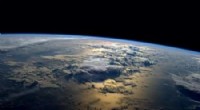
* Earth: The only planet known to harbor life, Earth boasts a diverse range of landscapes, from towering mountains to vast oceans.
* Mars: Known as the "Red Planet" due to its rusty surface rich in iron oxide, Mars has the largest volcano in the solar system, Olympus Mons, and evidence of past flowing water.
It's important to note that the "solid surface" distinction can be nuanced. While these planets are generally considered solid, they may have some liquid elements (like molten rock in their cores) or even temporary liquid water on their surfaces.