1. Evidence of Past Liquid Water:
* Dried-up riverbeds and lakebeds: Images from orbit and rovers show clear signs of ancient river channels, deltas, and lakebeds, indicating the presence of significant amounts of liquid water in the past.
* Minerals indicative of water: Minerals like gypsum, hematite, and clay, which form in the presence of water, have been found on Mars.
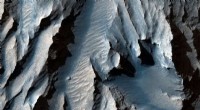
* Evidence of past glaciers and ice sheets: Features like glacial valleys and signs of past ice sheets suggest Mars once had a colder, wetter climate.
2. Evidence of a Thicker Atmosphere:
* Ancient river valleys: The presence of large river valleys points to a thicker atmosphere with enough pressure to sustain liquid water on the surface.
* Volcanic features: Volcanoes on Mars suggest a warmer, more active interior in the past, which could have contributed to a denser atmosphere.
* Isotopic evidence: Analysis of Martian meteorites suggests that Mars once had a thicker atmosphere with a higher abundance of lighter isotopes like nitrogen-14, similar to Earth's atmosphere.
3. Similar Composition and Early History:
* Similar composition: Mars and Earth are both terrestrial planets formed from similar materials in the early solar system.
* Early volcanic activity: Both planets experienced intense volcanic activity in their early history, which may have contributed to initial atmospheric conditions.
* Evidence of plate tectonics: While Mars does not have active plate tectonics like Earth, some features suggest it may have had them in the past.
4. Evidence of Organic Molecules:
* Organic molecules found on Mars: Rovers like Curiosity and Perseverance have discovered organic molecules, the building blocks of life, on Mars. While this doesn't necessarily mean life existed, it strengthens the idea of a habitable environment.
5. Potential for Past Habitability:
* Conditions for life: The presence of liquid water, a thicker atmosphere, and organic molecules suggests Mars could have been habitable in the past.
* Evidence of methane: The detection of methane gas, a potential biosignature, raises questions about the possibility of past or present microbial life.
It's important to note that while the evidence strongly suggests Mars was once more Earth-like, there are still many unanswered questions about its past climate, atmosphere, and potential for life. Continued exploration and research are crucial for piecing together the full story of Mars's history.