* Measuring Rainfall: Rain gauges are the primary tool for measuring the amount of rainfall in a specific location. This information is crucial for:
* Weather Forecasting: Knowing how much rain has fallen helps meteorologists predict future weather patterns.
* Flood Monitoring: Excessive rainfall can lead to floods, so tracking rainfall amounts is essential for flood warnings and management.
* Drought Monitoring: Conversely, a lack of rainfall can indicate drought conditions, which has significant implications for agriculture and water resources.
* Agricultural Planning: Farmers rely on rainfall data to make decisions about planting, irrigation, and crop management.
* Water Resource Management: Rainfall data helps manage water supplies for drinking water, irrigation, and industrial uses.
Types of Rain Gauges:
* Standard Rain Gauges: These are the most common type, consisting of a cylinder that collects rainwater. The amount of water collected is measured using a graduated scale.
* Tipping Bucket Rain Gauge: This type uses a tipping bucket that automatically records rainfall by tipping when it fills with a specific amount of water.
* Weighing Rain Gauge: This gauge measures rainfall by the weight of the collected water.
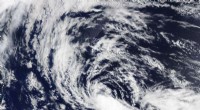
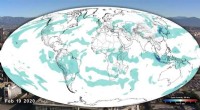
* Radar and Satellites: While not traditional rain gauges, meteorologists use radar and satellite data to estimate rainfall over large areas.
In short, rain gauges are essential for understanding and predicting weather patterns, managing water resources, and supporting various human activities.